The beauty and wellness industry has been growing steadily for years, but the conversation around medical spa industry insights tends to stay at the surface level. Market reports talk about revenue projections and consumer spending trends. What they rarely get into is the operational reality of running a med spa business well, what separates locations that thrive from ones that plateau, and why most franchise systems struggle to maintain quality as they scale. Nick Beghtol has spent over 25 years inside that operational reality, and what he has learned building Lash and Company into a multi-state franchise brand is worth paying attention to for anyone serious about this industry.
The Med Spa Market Is Growing, But Growth Is Not the Hard Part
Everyone in the industry knows the demand side of the story is strong. Clients are more educated about treatments than they were five years ago, they book more consistently, and the stigma around aesthetic services has almost completely disappeared across most demographics. That rising demand has pulled a lot of new operators into the space, which is exactly where things start to get complicated.
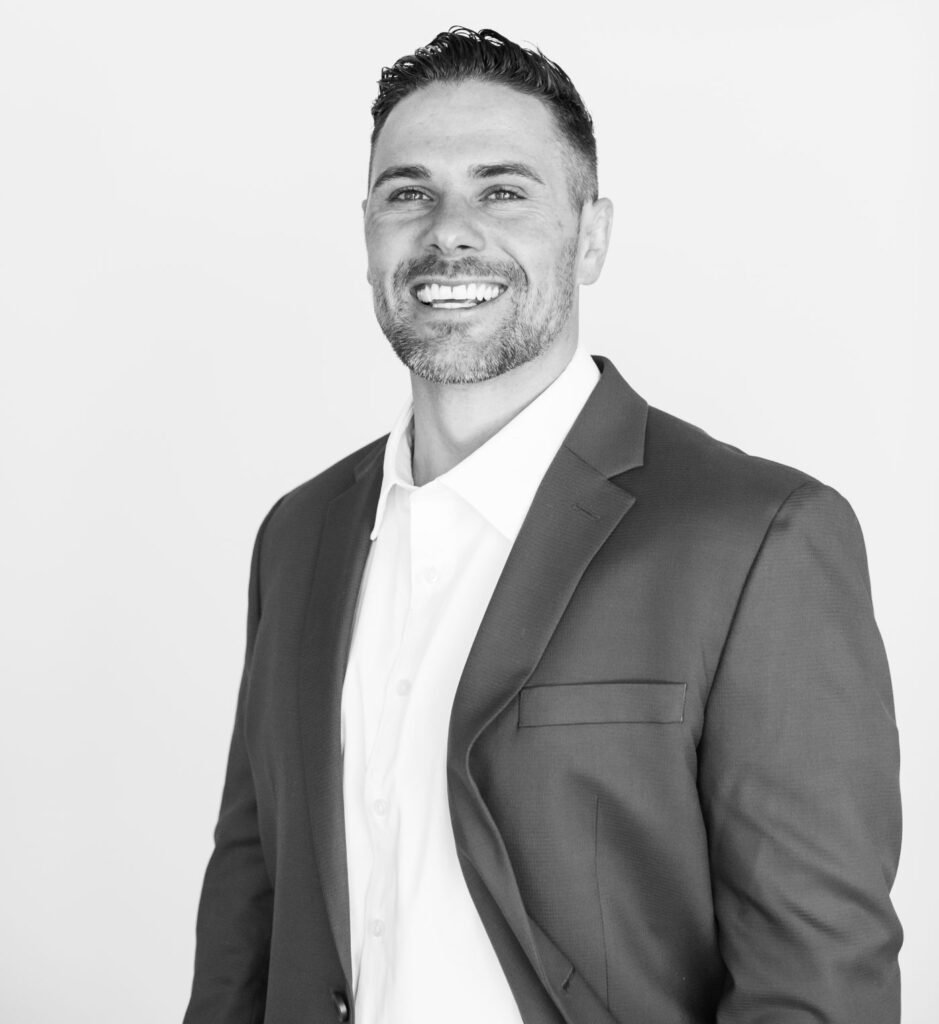
Nick’s observation, shaped by years of investing in startups and building franchise infrastructure across multiple industries, is that most new med spa operators underestimate what it takes to deliver a consistent client experience across more than one or two locations. The craft is learnable. The systems that hold the craft together at scale are a different challenge entirely.
What Separates a Good Location From a Good Brand
A single well-run location is relatively achievable. A brand that delivers the same quality and feel across 20, 30, or 50 locations is a much harder thing to build. Nick built Lash and Company with that specific problem in mind from the beginning. The service menu spanning eyelash extensions, skin rejuvenation, cosmetic injectables, fillers, laser hair removal, brow services, waxing, permanent makeup, and airbrush tanning was not assembled randomly. Each service was evaluated for how well it could be standardized, trained, and delivered consistently by a team that did not require one specific person to make it work.
That thinking is what pushed the brand toward investing heavily in franchisee training, over 100 hours before a location even opens, and building marketing and operational support that stays active well after the launch phase.
Lessons From the Companies and Ventures Portfolio
Nick’s broader work across his companies and ventures reinforces a theme that shows up clearly in the med spa space: most businesses that struggle at scale did not fail because the market turned on them. They failed because the internal structure was never built to carry the weight of real growth. Decision-making processes that work fine with a small team become bottlenecks at 15 locations. Hiring practices that feel adequate in year one produce a cultural drift by year three.
Why Client Retention Tells You More Than Revenue
One of the metrics Nick Beghtol pays close attention to is repeat client rate, and Lash and Company’s figure of 78 percent across locations is not something that happens automatically. It is a result of designing the client experience around consistency rather than novelty. New clients are important, but a med spa business that has to constantly refill its client base because retention is weak is working much harder than it needs to for the same revenue numbers.
That insight shapes how Nick Beghtol thinks about expansion. Adding new locations before the retention systems are solid is a way of compounding a problem rather than scaling a strength. It is one of the more uncomfortable truths in this industry, and one that operators who grow too fast tend to learn the expensive way.
The Role of Education in Long-Term Brand Health
Nick’s Beghtol decision to build Modern Beauty Edu as a standalone education arm connected to the Lash and Company ecosystem was driven by the same logic. The quality of what happens inside a treatment room depends entirely on the skill and confidence of the person delivering it. Outsourcing that development to whatever training a new hire happened to receive somewhere else is a risk that compounds quietly until it shows up in client reviews and retention numbers.
Investing in education was not a brand awareness move. It was an infrastructure decision, and that distinction says a lot about how Nick Beghtol approaches the med spa business overall.
What the Industry Actually Needs Right Now
The biggest gap Nick sees in the med spa space right now is not on the demand side and it is not in the range of services being offered. It is in operational leadership. There are plenty of talented estheticians and injectors. There are far fewer people who understand how to build the systems, the culture, and the decision-making frameworks that let those talented people do their best work consistently inside a growing organization.
The medical spa industry insights that actually move the needle for operators are not the ones about which treatments are trending. They are the ones about how to hire well, how to train consistently, how to retain clients, and how to build a franchise model that holds up under the pressure of real growth. That is the work Nick Beghtol has been doing for over fifteen years, and it is the reason Lash and Company’s franchisee satisfaction rate sits at 98 percent while the brand continues expanding into new markets across the country.